
Selecting the right piping system is one of the most important decisions in any construction, infrastructure, industrial, or water distribution project. With several pipe materials available on the market, contractors, engineers, developers, and procurement professionals often ask which option is best for their specific application.
Among the most widely used piping solutions in Nigeria and across West Africa are HDPE, PVC, and PPR pipes. Each material offers unique advantages and is designed for different operating conditions. Understanding these differences can help ensure better performance, longer service life, and greater value for investment.
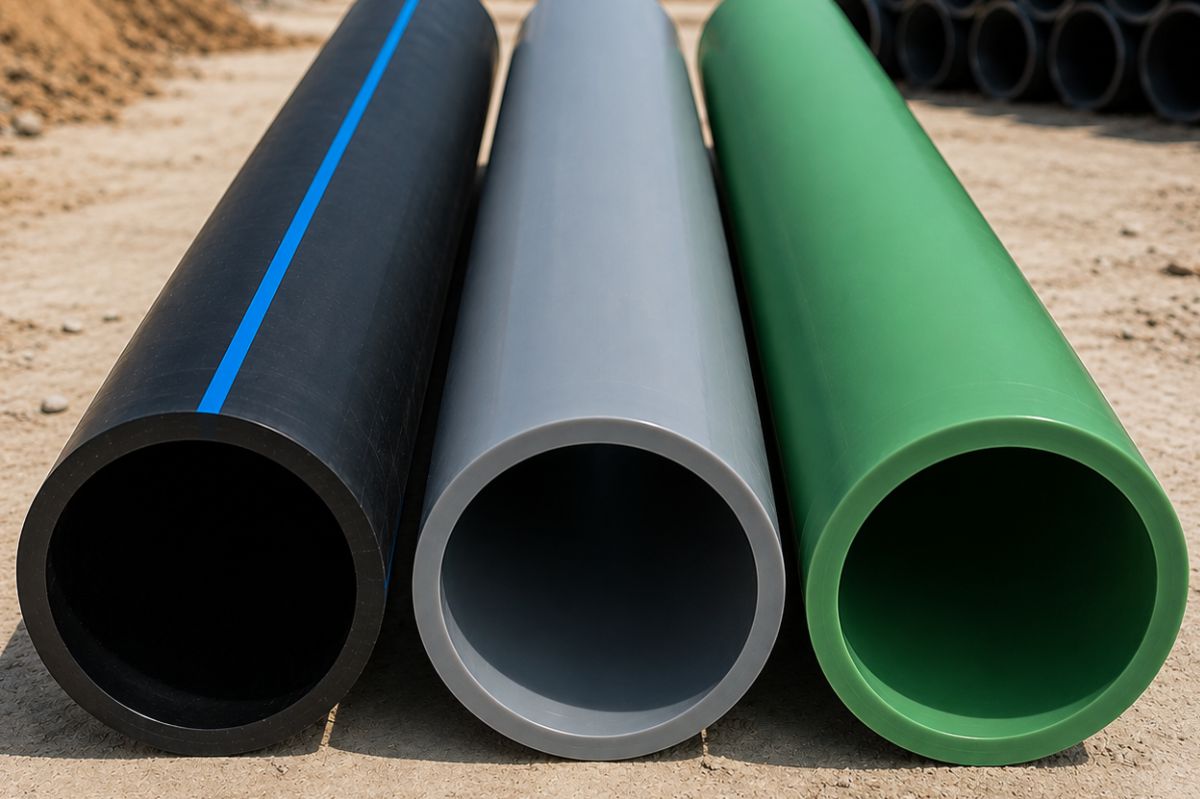
HDPE (High-Density Polyethylene), PVC (Polyvinyl Chloride), and PPR (Polypropylene Random Copolymer) are all plastic piping materials, but they are designed to serve different purposes.
One of the most common questions asked during project planning is, What is the difference between HDPE, PVC, and PPR pipes? While all three are durable and corrosion-resistant, their applications, flexibility, pressure ratings, and temperature capabilities vary significantly.
HDPE pipes are known for their flexibility, strength, and resistance to environmental stress. They are widely used in water distribution systems, telecommunications ducting, irrigation projects, mining operations, and industrial applications.
A major advantage of HDPE is its ability to withstand ground movement and pressure fluctuations without cracking. This makes it particularly suitable for underground installations and large-scale infrastructure projects.
HDPE pipes also offer excellent chemical resistance and can be joined using heat fusion methods, creating a continuous leak-resistant system.
Typical applications include:
• Potable water distribution
• Telecommunications ducting
• Irrigation systems
• Dredging operations
• Industrial fluid transportation
• Mining projects
PVC pipes remain one of the most commonly used piping solutions in the construction industry. They are lightweight, durable, and highly resistant to corrosion, making them suitable for water supply and drainage applications.
One reason PVC pipes are popular is their affordability. For many residential, commercial, and municipal projects, PVC provides a practical balance between performance and cost.
Unlike HDPE, PVC pipes are more rigid and are generally preferred in applications where flexibility is not a primary requirement.
Common uses include:
• Water supply networks
• Drainage systems
• Building services
• Agricultural applications
• Residential developments
• Municipal infrastructure projects.
PVC pipes are also easy to transport, handle, and install, helping reduce project costs and installation time.
PPR pipes are specifically designed for plumbing systems that require both hot and cold water transportation. Their ability to withstand high temperatures makes them a preferred option for residential, commercial, and industrial plumbing installations.
One of the questions frequently asked by developers and facility managers is whether PVC or HDPE can be used for hot water systems. In most cases, PPR pipes are the recommended solution because they are engineered to handle elevated temperatures while maintaining structural integrity.
PPR pipes are commonly used in:
• Residential plumbing systems
• Commercial buildings
• Hospitals
• Hotels
• Industrial facilities
• Hot and cold water distribution networks
Their smooth internal surface also helps maintain efficient water flow and reduces the risk of scaling over time.
There is no single pipe material that is best for every application. The correct choice depends on the project requirements.
If flexibility, durability, and underground performance are priorities, HDPE pipes are often the preferred solution.
If cost-effectiveness and general water distribution are key considerations, PVC pipes provide excellent value and dependable performance.
If the application involves hot and cold water plumbing systems, PPR pipes are typically the most suitable option.
The most successful projects are those that select pipe materials based on operational requirements rather than cost alone.
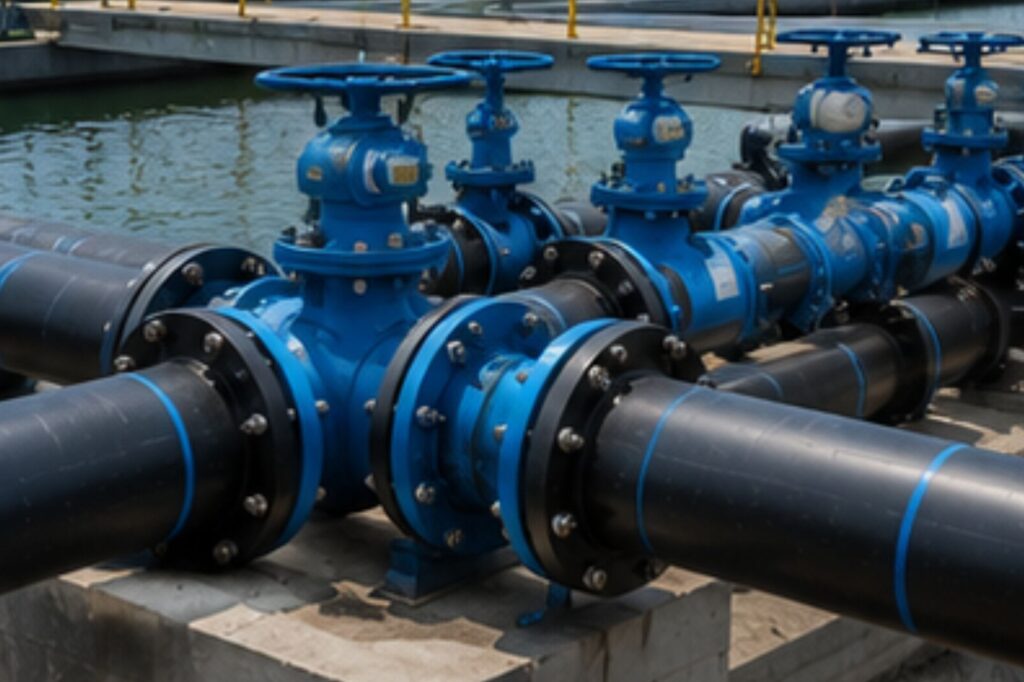
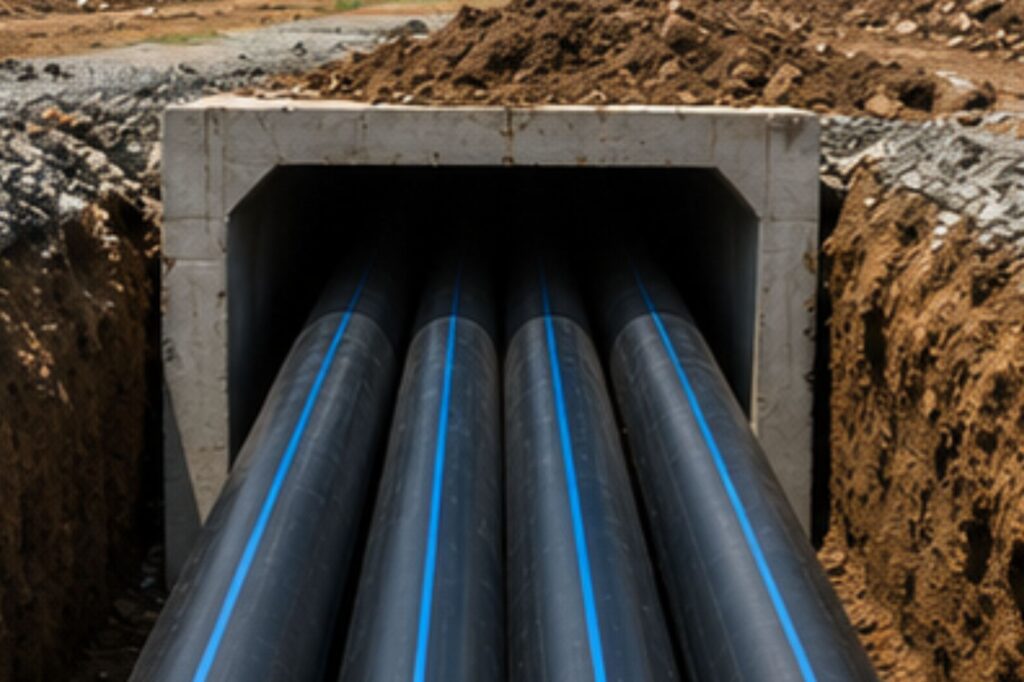
Beyond selecting the appropriate pipe type, it is equally important to source products from a reliable manufacturer. Quality manufacturing standards, consistent product performance, and dependable supply capabilities all contribute to project success.
At Lombardy Pipes, we manufacture HDPE, PVC, and PPR pipe systems designed to meet the needs of contractors, developers, distributors, government agencies, and industrial users across Nigeria and West Africa. Our comprehensive product range allows customers to choose the right solution for their specific application while benefiting from trusted product quality and professional support.
Whether you are planning a residential development, infrastructure project, industrial facility, or water distribution network, selecting the right pipe system is the first step toward achieving long-term performance and reliability.
Post Tags :

Trusted manufacturer of high-quality pipes, delivering reliable solutions for governments, engineers, contractors, and infrastructure projects across the continent.
18, Idiroko Road, Sango – Ota, Ogun State, Nigeria.